Start with the load and landing point
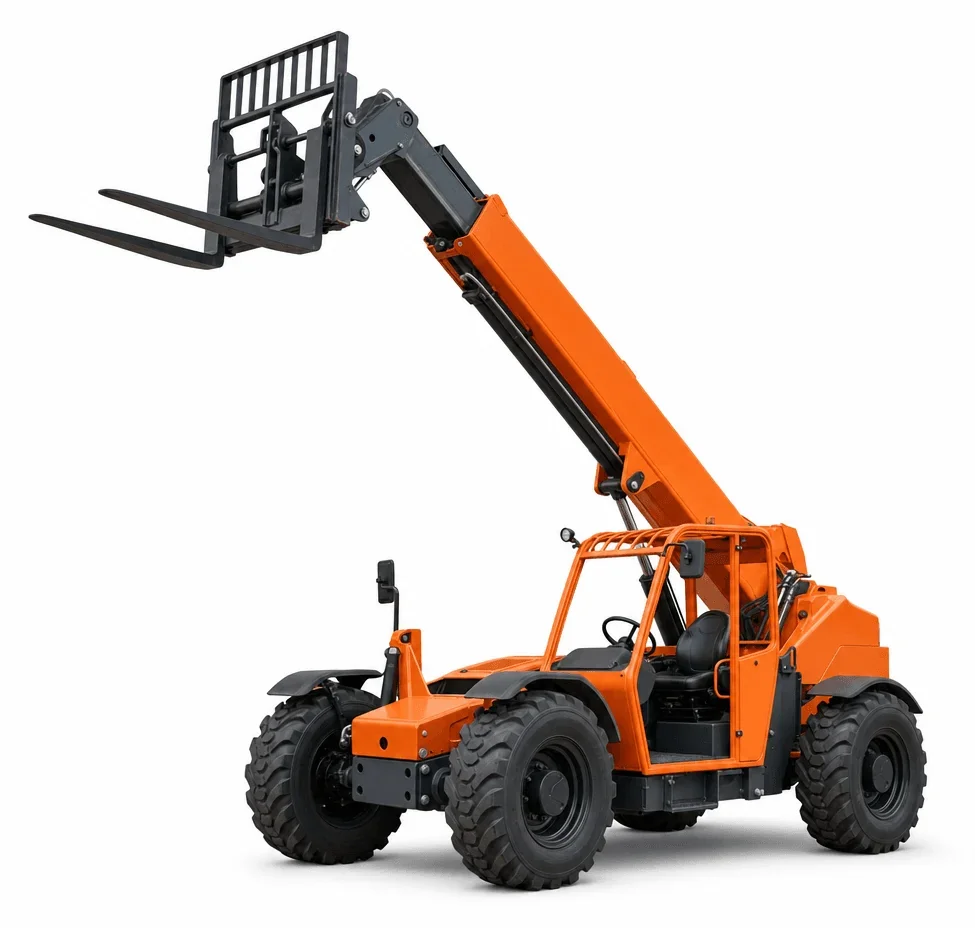
Identify the heaviest load, its dimensions, and where it must land—on grade, inside a framed opening, or to a balcony or platform. The required lift height and horizontal setback drive boom class and carriage choice. Limited headroom or tight turning into bays can push the decision toward more compact frames.
Local ground and approach realities
Fall Line soils vary block by block. After rain, yard areas may hold moisture, while sandy sections loosen under repeated passes. Those conditions favor rough‑terrain drivetrains and tires suited to mixed ground. Long approaches from staging to structure also argue for units with travel speed and visibility features that help in active industrial sites.
Augusta use cases
- Placing palletized materials onto elevated work decks during building additions
- Delivering equipment across variable ground to interior openings
- Supporting industrial maintenance where parts must be set onto mezzanines or platforms
If the task is personnel elevation for extended work time instead of material placement, consider: /telescopic-boom-lift-rental/ or /articulating-boom-lift-rental/.
Space, forks, and visibility constraints
Note gate widths, turning aisles, and any slope at the landing zone. Verify that the landing surface can receive the load and that the setback permits boom extension without contacting façades or temporary barriers. For confined interiors with smooth floors and short travel, a forklift may be more efficient: /forklift-rental/.
Related categories
- General aerial access: /boom-lift-rental/ and /aerial-lift-rental/
- Site support: /storage-containers-rental/, /temporary-fencing-barricades-rental/, and /generators-light-towers-rental/