Define the reach and the setback
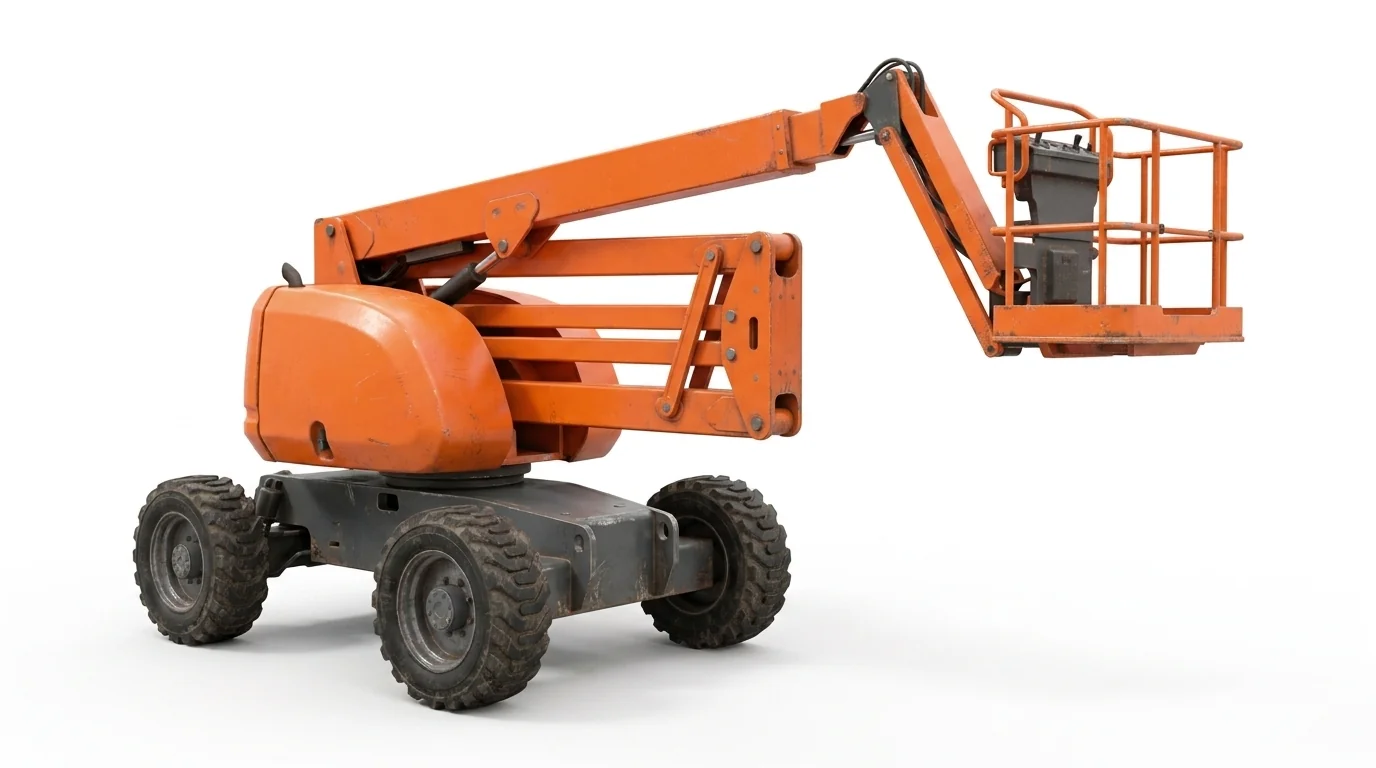
Start with the horizontal distance from the machine’s likely setup spot to the work face, plus the vertical height needed. Straight booms excel when the line to the task is unobstructed and every foot of outreach counts.
Measure: - Maximum platform height and horizontal reach - Required up‑and‑over clearance (if any). If overhead barriers exist, see /articulating-boom-lift-rental/ - Standoff distance due to landscaping, drainage, or restricted pads
Augusta ground and weather factors
The Fall Line mix of sandy loam and red clay can be uneven after rain or site work. For exterior placements near swales or utility cuts, rough‑terrain configurations, foam‑filled tires, and appropriate ground clearance help the machine approach safely and stay within site procedures. Humid summers can affect electronics and starting systems on units stored in non‑climate‑controlled yards; planning often includes confirming equipment suited to those conditions.
Where straight booms fit locally
- Exterior envelope work where the machine sets back from walls beyond soft soil or curbs
- Pole and mast tasks in large parking or yard areas
- Industrial sites with long reaches to rooftop units from clear aprons
If tight routing or overhead steel blocks a direct path, an articulating option can snake over obstacles: /articulating-boom-lift-rental/.
Space, slope, and floor bearing
Confirm the available swing radius and tail clearance around landscaping, walls, or parked equipment. Note approach slope and soil firmness at the pad. For interior use in big-volume buildings, verify door height and floor loading; many straight booms are better suited outdoors unless the interior space and emissions plan allow it.
Related categories
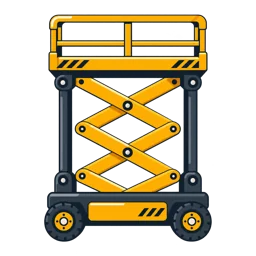
- Platform‑focused work directly beneath the task: /electric-scissor-lift-rental/
- Outdoor slab or packed‑soil platform work: /rough-terrain-scissor-lift-rental/
- More aerial options: /boom-lift-rental/ and /aerial-lift-rental/